Duct Cleaning Benefits Every Homeowner Should Know
Most homeowners think about ductwork only when something goes wrong. A room starts running hotter than the rest of the house, dust seems to come back almost as soon as it is wiped away, or the HVAC system begins to sound like it is working harder than it should. By the time those signs show up, the air moving through the house has often been carrying more than just conditioned air. It may be moving fine dust, pet dander, construction debris, pollen, and in some cases moisture-related buildup that should never have been left alone for years.
That is where duct cleaning enters the conversation. For some homes, it is a practical maintenance step that improves airflow, supports better indoor comfort, and helps the HVAC system do its job without unnecessary strain. For other homes, especially those with recent renovations, pets, allergies, or visible buildup around vents, it can make a noticeable difference in day-to-day living. The value is not abstract. It shows up in how the house smells, how the air feels, how often filters clog, and how steadily the system runs.
What duct cleaning actually does
Duct cleaning is not a cosmetic service, and it is not a vague promise to make the air “better.” A proper cleaning focuses on the parts of the HVAC system that move air through the home, including supply and return ducts, registers, grilles, blower components, and other accessible areas where debris tends to settle. In many homes, the work is paired with an HVAC duct inspection so the technician can see whether the buildup is normal dust, the result of a maintenance issue, or a sign of a deeper problem such as moisture intrusion or disconnected duct sections.
That distinction matters. Not every home needs the same level of service. A house that has been occupied for a decade with pets and a few remodels will tell a very different story than a newer home with disciplined filter changes and no unusual dust sources. The best duct cleaning is based on what is actually found, not on a scripted pitch. A careful technician looks for evidence, not assumptions.
Dirty air ducts often become a hidden collection point because the HVAC system is constantly pulling air through the home. Even if your filters are doing their job, no filter catches everything. Fine particles can settle in low spots, around turns, or near parts of the system where airflow changes. Over time, that buildup can become part of the air path itself.
The comfort changes homeowners notice first
The first benefit many people notice is not a dramatic transformation, it is a subtle one. A house may start to feel more even from room to room. A vent that once seemed weak may breathe more freely. That heavy, stale smell that appears whenever the system kicks on may lessen or disappear. These changes happen because air moves more cleanly through a system that is not lined with layers of dust and debris.
I have seen homes where one bedroom was always the uncomfortable room. The family assumed it was a thermostat issue or poor insulation. After a thorough HVAC duct inspection, the culprit turned out to be a partially obstructed return path with buildup that restricted airflow. Once the ducts and nearby components were cleaned, the room did not become perfect, but it stopped feeling like an entirely different climate zone. That is the kind of practical improvement homeowners often appreciate most.
Comfort also includes fewer odors. Dust trapped in ductwork can carry a dry, stale smell, especially after the system has been idle for a while. In homes with pets, cooking habits, or lingering smoke exposure from years past, ducts can hold onto those scents more than people realize. Cleaning the system does not replace good housekeeping or solve every odor source, but it can remove one of the places where smells accumulate and recirculate.
Why dirty air ducts can make the HVAC system work harder
An HVAC system is designed to move a certain amount of air through a balanced network. When dust, lint, and other debris collect inside that network, the system may have to push against more resistance. That does not always cause an obvious breakdown, but it can contribute to wear over time. Blower motors, coils, and other components may run longer or under less favorable conditions than they should.
The practical result is simple. More strain can mean more maintenance, and in some cases, higher energy use. It is rarely useful to promise exact savings, because every house is different and a dirty duct professional ac installation system is only one piece of the efficiency picture. A home with leaky ducts, poor insulation, or a failing blower will not be fixed by cleaning alone. Still, when dust and debris are a real source of restriction, removing them can help the system move air more efficiently.
Homeowners sometimes ask whether the energy benefit is worth the service cost. The honest answer is that it depends on what the inspection finds. If the ducts are only lightly dusty, the payoff may be modest. If the return side is loaded with debris, registers are clogged, or the system has clearly been neglected, the value rises quickly. The point is not to oversell the cleaning. The point is to restore the system to a healthier working condition when it has drifted away from that condition.
Indoor air quality is about the whole system, not one single fix
Indoor air quality gets discussed as if it were one thing, but it is really a combination of many factors. Filters, humidity levels, housekeeping habits, ventilation, duct condition, and the cleanliness of the HVAC components all play a role. Duct cleaning is one piece of that puzzle. It does not replace filtration, and it does not remove every airborne particle in the house. What it can do is reduce one of the reservoirs where contaminants gather and get stirred back into circulation.
This matters most for people who are sensitive to dust or who notice symptoms when the system runs. A homeowner in Winter Haven, for example, may deal with warm weather for much of the year, which means the HVAC system stays active for long stretches. In a climate where cooling systems work hard and often, air duct cleaning Winter Haven residents schedule may uncover seasonal buildup from dust, pollen, and everyday living that has been cycling through the house for months. That does not mean every home in the area needs frequent cleaning. It does mean the system deserves occasional attention, especially after storms, remodeling, or extended heavy use.
There is also a difference between clean-looking vents and actually clean ductwork. Registers can be wiped down in minutes, but that only addresses the visible edge of the problem. If the interior of the duct network is loaded with accumulated debris, the air passing through still interacts with that material. That is why surface cleaning and a real duct service are not substitutes for one another.
When duct cleaning helps the most
Some homes benefit more than others. That is not a sales tactic, it is just the reality of how HVAC systems age and how households differ. If you want a service that delivers real value, timing matters.
Homes often see the biggest duct cleaning benefits after a renovation, especially if drywall dust, sawdust, or construction debris entered the system. Even careful contractors cannot prevent every particle from traveling through a house under construction. The same is true after a major flooring project or cabinet replacement. Those particles settle in places that regular vacuuming never touches.
Pets also change the equation. A single cat or dog does not automatically make a home a candidate for duct cleaning, but homes with multiple pets, heavy shedding, or frequent dander buildup often collect more material in the return system and around registers. If filters are changing more often than expected and dust seems to return quickly, the ducts may be part of the reason.
Moisture events deserve special attention. If a system has been exposed to condensation problems, roof leaks, or high humidity that led to microbial growth, cleaning may be appropriate, though the root cause has to be addressed first. Scrubbing debris out of ducts without fixing the moisture source is a temporary gesture. The house will only repeat the problem if the conditions remain the same.
Allergies can be another factor, though they are not a guarantee that ducts are the problem. Some allergy symptoms are driven mostly by outdoor pollen, carpets, or bedding. Still, a home with visible dust around vents, an older filtration setup, and frequent symptoms during HVAC cycles is worth inspecting closely. The condition of the system may be contributing more than anyone realized.
What a careful homeowner should look for
A trustworthy service starts with observation. The best indicator is not a dramatic before-and-after claim, it is whether the technician can show you why cleaning is recommended. A proper inspection should reveal the condition of the ducts, the state of the blower compartment, and any unusual buildup that warrants attention. If the explanation is vague, that is usually a warning sign.
One of the most useful habits a homeowner can develop is simply paying attention to patterns. If the same registers collect dust faster than others, if a musty smell appears when the AC starts, or if filters seem to clog unusually fast, those details matter. They can point to problems in airflow or contamination that need a closer look. Duct cleaning is not always the answer, but an HVAC duct inspection can reveal whether it is part of the answer.
It also helps to understand what not to expect. Duct cleaning will not repair undersized ducts, solve persistent condensation issues, or replace the need for regular filter changes. It will not magically eliminate all dust in the house. Homes generate dust every day from clothing fibers, skin cells, cooking, outdoor air, and normal living. The goal is to reduce excess buildup in a place where it should not accumulate.
The service is only as good as the approach
Not all duct cleaning is performed the same way. A rushed job that only removes dust from the visible parts of the system will not produce lasting results. Good service is methodical. It typically involves accessing the system correctly, using proper containment, and cleaning the components that actually influence airflow. The technician should also be willing to explain what was found and what was not.
That is one reason homeowners should be cautious about one-size-fits-all promises. If a company claims every house needs the same treatment on the same schedule, they are ignoring the differences that matter. A home with clean filters, sealed ducts, and normal use does not need the same intervention as a home that has endured renovation dust and pet buildup. Judgment is part of the job.
In practice, the better companies treat duct cleaning as part of a maintenance conversation rather than a standalone miracle fix. They look at the age of the system, the cleanliness of the blower, the condition of the returns, and the homeowner’s specific complaints. That is the kind of assessment that earns trust and leads to smarter decisions.
Signs that an inspection is overdue
There are a few signals that should make a homeowner think seriously about a closer look. If the house has been remodeled recently, if dust settles again very quickly after cleaning, if vents are visibly dirty, or if the system smells stale when it starts, the ducts may deserve attention. Uneven airflow, unexplained filter clogging, and evidence of pests around the system are also worth taking seriously.
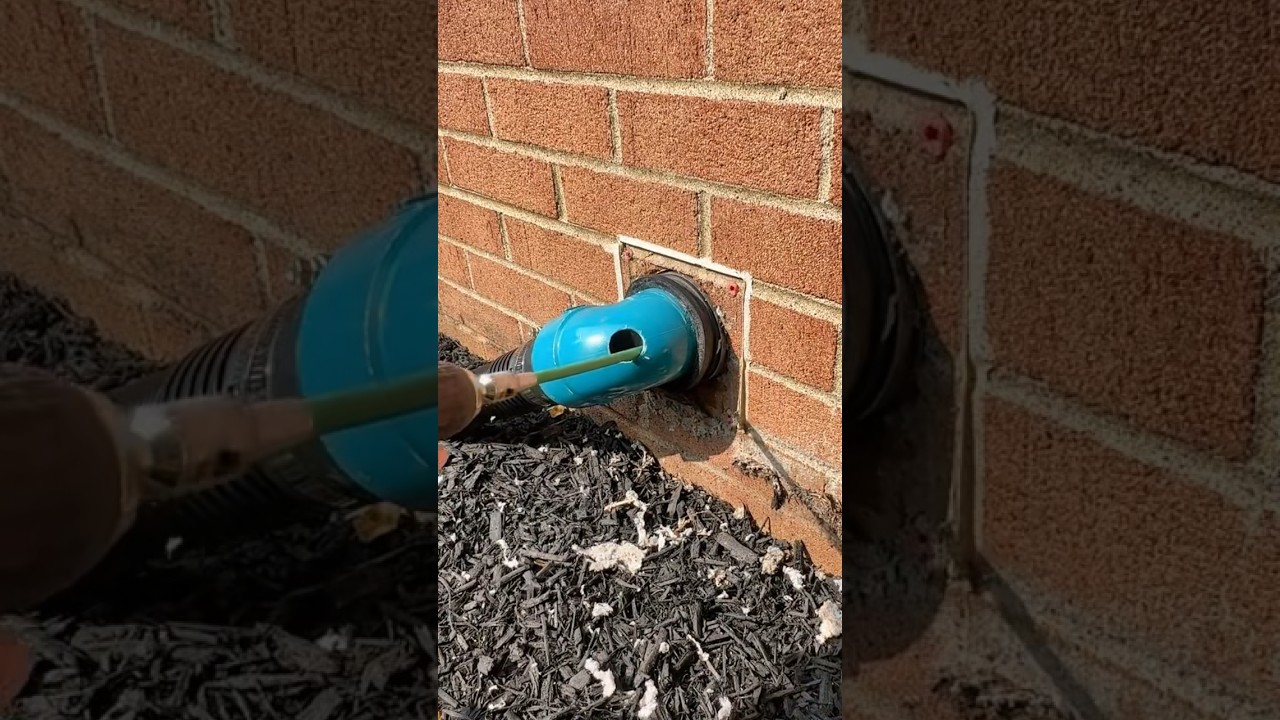
Sometimes the giveaway is simply age and neglect. Many homeowners can recall the last time filters were changed but have no idea when the ductwork was last inspected. That does not automatically mean there is a problem, but it does mean the system may have gone a long time without anyone checking the interior condition. Air moves through those pathways every day. They are not visible, which is exactly why they get forgotten.
The smartest approach is to treat duct service as a response to evidence, not a ritual. If a home is running fine, filters are clean, and there are no odor, dust, or airflow complaints, there may be no urgent need. If the opposite is true, ignoring the signs usually costs more later.
The practical payoff homeowners actually care about
At the end of the day, most homeowners are not looking for technical language. They want a house that feels clean, smells neutral, and runs efficiently without constant attention. That is where duct cleaning can earn its place. It can reduce debris in the air path, support better airflow, help the system run with less resistance, and make the home feel more settled.
The real benefit is often cumulative. Cleaner ducts can mean cleaner registers. Cleaner registers can mean less dust recirculating around the house. Better airflow can reduce hot and cold spots. Less strain on the system can support longer component life, though no honest technician should promise a specific lifespan increase. Each gain may be modest on its own, but together they can make the home noticeably easier to live in.
For families who have spent months wiping the same shelves, dealing with stale odors, or wondering why one room never feels right, duct cleaning can feel like removing a hidden source of friction. Not every problem starts in the ducts, but when the ducts are part of the problem, cleaning them can restore a sense of control.
A maintenance habit worth keeping in view
The best homeowners tend to treat HVAC care the way they treat roof repairs or plumbing leaks, they do not wait for a failure to start paying attention. Ductwork is less visible than most home systems, which is why it gets neglected. Yet it influences comfort every time the blower runs.
If you are weighing whether to schedule a service, start with a straightforward HVAC duct inspection. Ask for a look at the supply and return sides, the blower compartment, and any visible buildup. If there is a real problem, the evidence will ac installation usually be obvious. If there is not, you will at least know the system is in decent shape and can keep focusing on filters, sealing, and routine maintenance.
For many homes, that inspection is the moment where suspicion becomes clarity. Maybe the ducts need attention, maybe they do not. Either way, you are no longer guessing. That is a benefit in itself, especially in a part of the house that affects every breath the family takes.
Phone:
(863) 247-0271
Website:
icecoolinghvac.com
Indoor Climate Experts
296 Lake Smart Circle,
Winter Haven,
FL
33881